Hey there, fellow metal crew! If you’ve ever dealt with aluminum strip coils—whether you’re a fabricator, warehouse lead, or just someone who’s had to stare down a scratched coil at 7 a.m., you know the drill. Those tiny, annoying scratches don’t just ruin the look of the metal; they tank its value, mess up downstream processes like stamping or coating, and turn a “smooth delivery” into a last-minute headache. As someone who’s been in the aluminum strip coil supplier game for over a decade, I’ve seen every trick (and every mistake) when it comes to keeping these coils scratch-free through handling. Today, I’m breaking down the real, actionable stuff—not the generic fluff you’ll find in a random industry whitepaper. Let’s dive in. Aluminum Strip Coil
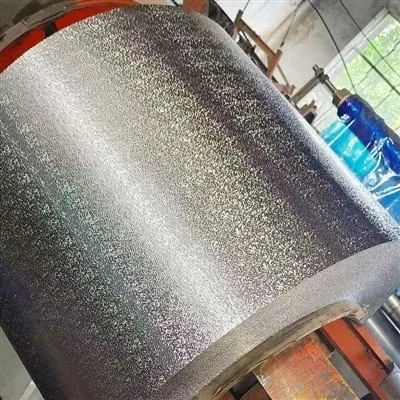
First off, let’s get one thing straight: scratches on aluminum strip coils don’t just “happen.” They’re almost always avoidable—9 times out of 10, it’s a tiny misstep in handling that snowballs. I’ve had clients come to me upset about a shipment that arrived with light scratches, only to trace it back to a warehouse worker dragging a coil on a concrete floor instead of lifting it. Or a fabricator who tried to pry a coil off a pallet with a crowbar and nicked the surface. Scratches are like that one annoying stain on a white shirt—you don’t notice it until it’s too late, but it could’ve been prevented with a little care.
Let’s start with the basics: pre-handling prep. You wouldn’t drive a car with bald tires, right? Same logic applies to your handling gear. Most people skip this part, but it’s where a lot of problems start. First up: the slings and straps you use to lift coils. I’ve seen guys use frayed nylon slings because they “work fine”—no, they don’t. Frayed fibers catch on the aluminum’s smooth finish, leaving thin, unnoticeable scratches that pop up once the coil is unrolled. Stick to heavy-duty, lint-free polyester slings, and make sure they’re sized correctly for your coil’s weight (under-sizing a sling means it digs into the metal, too). Another win: use sling protectors—those soft, rubberized pads that slide over the sling. They act as a buffer between the sling and the aluminum, so even if there’s a little shift during lifting, no contact scratches.
Then there’s your pallet setup. If you’re stacking coils, don’t just plop them on a plain wooden pallet. That wood has splinters, knots, and tiny metal bits from manufacturing that can scratch the bottom of a coil. I always recommend lining pallets with a layer of cross-linked polyethylene (XLPE) film—thick, smooth, and impervious to those tiny wood flaws. It’s cheap, easy to lay down, and makes a huge difference. Also, when stacking coils, never stack more than three high for coils over 5,000 lbs. The weight of the top coils can dent or scratch the bottom ones, especially if the stack is uneven. Use wooden dunnage blocks (not metal) between each coil—they lift the next coil up, so the sides don’t rub together during transport. And make sure those blocks are aligned perfectly; if one’s off, the coil will shift and rub against the pallet edge mid-transit.
Now, let’s talk about lifting and moving—this is where most on-site scratches happen. I’ve watched new hires try to lift a coil like a barbell, standing it upright on its edge to roll it across the warehouse floor. BAD IDEA. When you roll a coil on its edge, the tiny pebbles or metal shavings on the floor act like sandpaper. Even a smooth concrete floor has micro-abrasions you can’t see with the naked eye. So never roll aluminum strip coils on their edges—ever. If you have to move a coil short distances (like from a loading dock to a staging area), use a coil cart. The ones with rubberized rollers work best; they let the coil glide without dragging, and the rubber grips the edge so it doesn’t slip. Long-distance moves? Forklifts, but only if you use the right forks. For God’s sake, don’t use regular steel forks without covers. I’ve seen a forklift driver jam steel forks into the center of a coil’s core, scraping the inside of the coil so bad it had to be scrapped. Fork covers—soft, heavy-duty rubber or plastic—fit over the tines, so they don’t scratch the coil’s sides or core. Also, when lifting with a forklift, make sure the forks are aligned evenly under the coil’s core; if one fork is higher than the other, the coil will tilt and rub against the fork edge, leaving a long scratch.
Here’s a mistake I see all the time: misusing corner guards. People think corner guards are just for protection during shipping, but they’re also for handling. When you’re moving a coil through tight spaces (like a doorway or between racks), the coil’s sharp corners can scrape against metal beams or concrete walls. Install foam or rubber corner guards on the coil’s edges before moving it. They’re not expensive, and they take 2 minutes to put on. Another pro tip: never walk a coil along a metal fence or rack. Even if you think you’re being careful, a little nudge can leave a permanent scratch. If you have to pass through a tight spot, use a second person to guide the coil from the opposite side, so it doesn’t swing and hit anything.
Wait, what about when you’re unrolling the coil? That’s another make-or-break moment. I’ve had clients tell me their coil had scratches, and it turned out they used a metal hook to pull the leading edge out of the core. Metal hooks = instant scratches. Instead, use a soft plastic or rubber prying bar, and gently work the leading edge out. If the core is plastic (which most modern coils are, instead of cardboard), that’s even better—it’s smoother and less likely to catch than cardboard. Also, when unrolling, make sure the unrolling station is clean. No metal shavings, no dust, no dirt on the rollers. I once visited a fabricator’s shop where the unrolling table had tiny steel particles on the rollers—every coil he unrolled had a line of scratches down the length. A quick wipe with a rag every morning would’ve fixed that. Oh, and never let the unrolled strip drag on the floor. If it’s a long strip, hang it from a roller or support it on a soft mat. Dragging on concrete picks up grit, which scratches the strip’s surface like a chalkboard.
Let’s get into the less obvious stuff: warehouse environment. You might not think the air in your warehouse matters, but it does. Dust and airborne metal particles can settle on a coil’s surface, and when you move it, those particles act like abrasives. So keep your warehouse clean—sweep daily, use air filters to reduce airborne grit, and cover coils when they’re not being handled. I always wrap coils in a polyethylene shrink wrap after unloading, but make sure the wrap is lint-free and doesn’t stick to the aluminum. Cheap shrink wrap can leave residue, but worse, it can trap dust between the wrap and the metal, leading to scratches. Invest in high-quality, static-free shrink wrap—it’s worth the extra 10 cents per coil.
Another thing: training. This isn’t rocket science, but a lot of warehouses cut corners on training new hires. I’ve seen a guy with 2 weeks of experience handling a 6,000 lb coil, and he didn’t know how to align the forks. Even a 1-hour briefing on proper handling basics—no rolling on edges, use slings, cover forks—can cut scratch rates by 70%, easy. I used to do free on-site training for clients, just to show their teams the small things (like not dragging a coil) that make a huge difference. Most companies don’t realize that one 60-minute session can save them thousands in scrap or rework.
Wait, what about shipping and transit? You might handle a coil perfectly, but if the trucker slams on brakes, it can shift in the trailer and scratch against the walls. So when loading a coil into a truck, secure it properly. Use ratchet straps with soft loops (not metal hooks) to tie the coil down. Also, line the trailer’s floor with rubber matting, not plywood. Plywood has splinters, rubber matting is smooth and grips the coil so it doesn’t shift. And make sure there’s no empty space in the trailer—if the coil can move side to side, it will. Use foam blocks to fill any gaps, so the coil stays in place the whole trip.
Let me be real with you: even if you do all this, you might get a tiny scratch every now and then. But that’s why we test our coils before shipping. We do a visual inspection under bright LED lights, not just a quick glance. We check the slings we use are in good shape, the pallets are lined correctly, and the forklift forks have covers. And here’s the thing: if you get a scratched coil, don’t just brush it off. Trace it back to where it happened. Was it during lifting? Did the warehouse use frayed slings? Then fix that. Because a scratch on one coil means it’s easy to have scratches on the next one.
I’ve been in this business long enough to know that most people look for quick fixes when it comes to aluminum strip coil scratches. They think “just use a better wrap” or “buy a forklift with nice forks,” but it’s the small, consistent habits that work. It’s not about spending a fortune—it’s about not cutting corners on the basics. When a client comes to me and says, “We had a problem with scratches,” I don’t just send a new coil. I ask them how they’re handling it, what gear they’re using, if their warehouse is clean. 9 times out of 10, the solution is way simpler than they think.
At the end of the day, scratches on aluminum strip coils hurt everyone: the supplier, the fabricator, the end customer. As a supplier, my job isn’t just to sell you a coil—it’s to make sure it gets to you in the same condition it left my warehouse. That means caring about every step of handling, from the second we load it onto a truck to the second it rolls off at your facility. If you’re tired of dealing with scratched coils that cause delays, rework, or extra costs, we can walk through your specific process—figure out what’s tripping you up, and fix it together. We’ve helped fabricators cut their scrap rates by 50% just by adjusting a few small handling habits, and we can help you too.

Ready to stop dealing with those annoying scratches and get aluminum strip coils that show up pristine? Reach out, and let’s chat through your needs, your current handling setup, and how we can make this easier for you. No sales fluff, no hidden fees—just real solutions for real metal handling problems.
Laminated Aluminum Foil Roll References:
- Aluminum Association. (2021). Best Practices for Handling and Storing Aluminum Coils and Sheets. Aluminum Association Publications.
- Occupational Safety and Health Administration (OSHA). (2020). Material Handling Guidelines for Metal Products Warehouses. OSHA Technical Manual.
- Metal Center News. (2022). Reducing Surface Defects in Aluminum Coil Handling: A Practical Guide for Distributors and Fabricators. Metal Center Media Group.
- International Organization for Standardization (ISO). (2019). ISO 12944-6: Paints and Varnishes – Corrosion Protection of Steel Structures by Protective Paint Systems – Part 6: Laboratory Performance Test Methods. International Organization for Standardization.
- Industrial Packaging Association. (2021). Protecting Metal Products During Transit: Guidelines for Load Securement and Surface Protection. Industrial Packaging Association.
Henan Yongsheng Aluminum Industry Co., Ltd.
We are one of the most reliable aluminum strip coil manufacturers and suppliers in China. With abundant experience, we warmly welcome you to buy high-grade aluminum strip coil for sale here from our factory. All custom made products are with high quality and competitive price.
Address: Gongyi City Industrial Cluster District, Huiguo Town, Gongyi City, Henan Province
E-mail: eric@ysaluminum.cn
WebSite: https://www.ysaluminummill.com/
