Hey there! I’m a supplier of generators, and today I wanna chat about how to iterate over a generator in Python. It might sound a bit technical, but trust me, it’s not as complicated as it seems. Generator
First off, let’s quickly go over what a generator is. In Python, a generator is a special type of iterator. It’s a function that returns an iterator object, and it uses the yield keyword instead of return. When a generator function is called, it doesn’t execute the function body right away. Instead, it returns a generator object that you can iterate over.
So, why would you want to iterate over a generator? Well, generators are super memory-efficient. They generate values on-the-fly instead of storing them all in memory at once. This makes them ideal for working with large datasets or sequences where you don’t need to have all the values available simultaneously.
Using a for loop
The most common and straightforward way to iterate over a generator is by using a for loop. Here’s a simple example:
def simple_generator():
    yield 1
    yield 2
    yield 3

gen = simple_generator()

for value in gen:
    print(value)
In this code, we first define a generator function simple_generator that yields three values. Then we create a generator object gen by calling the function. Finally, we use a for loop to iterate over the generator object. The for loop automatically takes care of calling the __next__() method on the generator until there are no more values to yield.
Using the next() function
If you want more control over the iteration process, you can use the next() function. The next() function calls the __next__() method on the generator object to get the next value. Here’s how it works:
def simple_generator():
    yield 1
    yield 2
    yield 3

gen = simple_generator()

try:
    print(next(gen))
    print(next(gen))
    print(next(gen))
    print(next(gen))  # This will raise a StopIteration exception
except StopIteration:
    print("No more values in the generator.")
In this example, we manually call the next() function on the generator object to get each value one by one. When there are no more values to yield, a StopIteration exception is raised, which we catch with a try-except block.
List comprehension and generator expressions
List comprehension is a concise way to create lists in Python. You can also use a similar concept called generator expressions to create generators. Here’s an example:
# List comprehension
list_comp = [x for x in range(5)]
print(list_comp)

# Generator expression
gen_expr = (x for x in range(5))

for value in gen_expr:
    print(value)
The main difference between list comprehension and generator expressions is that list comprehension creates a list object that stores all the values in memory, while generator expressions create a generator object that generates values on-the-fly. This can save a lot of memory, especially when working with large sequences.
Real-world applications
As a generator supplier, I see the practical applications of generators in many situations. For example, let’s say you’re working with a large file that contains millions of lines of data. Instead of reading the entire file into memory at once, you can use a generator to read the file line by line. Here’s an example:
def read_file_line_by_line(file_path):
    with open(file_path, 'r') as file:
        for line in file:
            yield line

file_gen = read_file_line_by_line('large_file.txt')

for line in file_gen:
    # Do something with the line
    print(line.strip())
In this code, the read_file_line_by_line function is a generator function that reads the file line by line and yields each line. By using a generator, we can process the file one line at a time without loading the entire file into memory.
Zipping generators
You can also use generators in combination with the zip() function to iterate over multiple generators simultaneously. Here’s an example:
def generator1():
    yield 1
    yield 2
    yield 3

def generator2():
    yield 'a'
    yield 'b'
    yield 'c'

gen1 = generator1()
gen2 = generator2()

for value1, value2 in zip(gen1, gen2):
    print(value1, value2)
In this example, we have two generator functions, generator1 and generator2. We create generator objects from these functions and then use the zip() function to iterate over them simultaneously. The zip() function stops iterating as soon as the shortest iterable (in this case, either of the generators) is exhausted.
Filtering generators
Another useful operation is filtering the values generated by a generator. You can use the filter() function to achieve this. Here’s an example:
def number_generator():
    for i in range(10):
        yield i

gen = number_generator()

even_numbers = filter(lambda x: x % 2 == 0, gen)

for num in even_numbers:
    print(num)
In this code, the number_generator function generates numbers from 0 to 9. We then use the filter() function to create a new generator that only contains the even numbers. Finally, we iterate over this new generator to print the even numbers.
Closing generators
Sometimes, you might want to stop a generator before it has finished yielding all its values. You can do this using the close() method. Here’s an example:
def infinite_generator():
    while True:
        yield 1

gen = infinite_generator()

print(next(gen))
gen.close()
try:
    print(next(gen))  # This will raise a GeneratorExit exception
except StopIteration:
    print("Generator has been closed.")
In this example, we have an infinite generator that always yields the value 1. We call next() once to get a value, and then we call the close() method to stop the generator. When we try to call next() again, a StopIteration exception is raised because the generator has been closed.
Why it matters for your business
Now, you might be wondering why all this Python generator stuff is relevant to you as a potential customer. Well, in the world of programming and data processing, efficiency is key. Our generators, whether it’s in the electrical sense or the Python programming sense, are all about getting the job done with minimal waste.
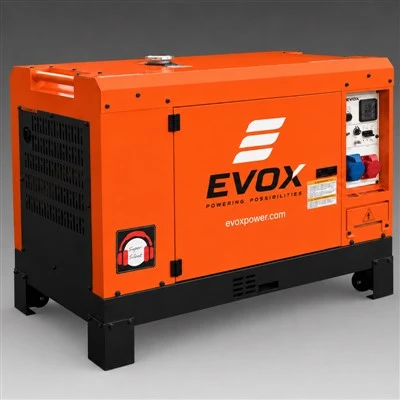
In your data processing tasks, using generators can significantly speed up your operations and save on memory usage. This means faster processing times, lower costs, and better overall performance. And when it comes to our electrical generators, we offer high-quality products that are designed to be energy-efficient and reliable.
Cast Iron Diesel Water Pump If you’re interested in learning more about how our generators can benefit your business, whether it’s for your programming projects or your power needs, don’t hesitate to reach out. We’re here to help you find the perfect solutions for your specific requirements. Let’s have a chat and see how we can work together to take your business to the next level.
References
- Python official documentation on generators
- "Python Crash Course" by Eric Matthes
Evoxpower Technology
Evoxpower Technology is one of the most professional generator manufacturers and suppliers in China, featured by quality products and good service. Please rest assured to buy the newest generator in stock here and get pricelist from our factory. Contact us for customized service and OEM service.
Address: 11 Fortune Avenue, Yubei District, Chongqing, China
E-mail: stephen@allrightpower.com
WebSite: https://www.evoxpower.com/
