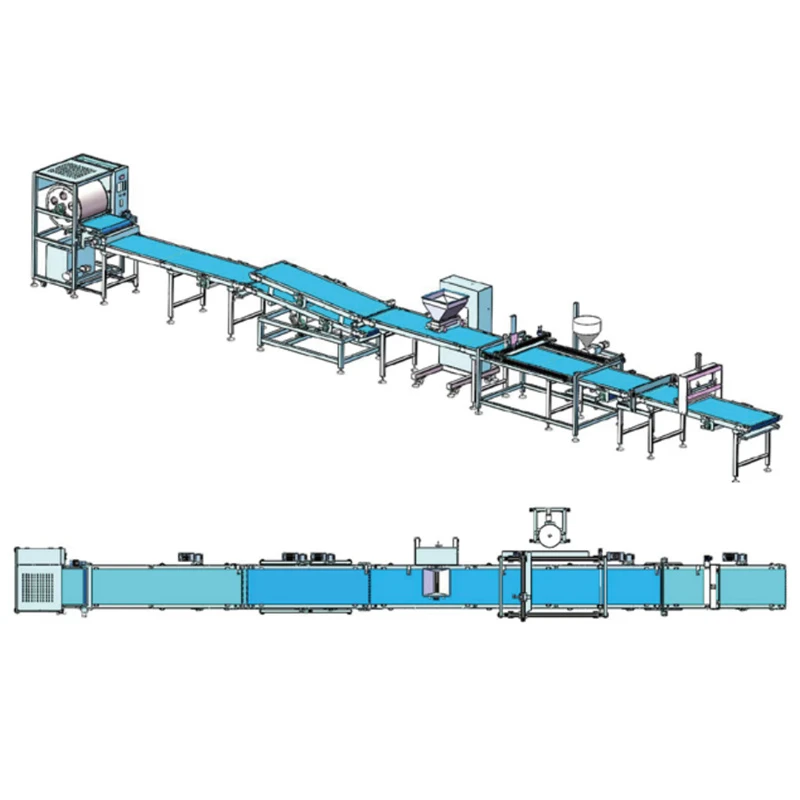
As a supplier of forming equipment, I often encounter inquiries about the noise levels of different types of machines. Noise is an important consideration in any manufacturing environment, not only for the comfort and safety of workers but also for compliance with environmental regulations. In this blog post, I will explore the noise levels of various forming equipment and discuss how to manage noise in the workplace. Forming Equipment
Press Brakes
Press brakes are widely used in metal fabrication for bending and shaping sheet metal. The noise level of a press brake can vary depending on several factors, including the type of drive system (mechanical, hydraulic, or electric), the tonnage of the machine, and the speed of operation.
- Mechanical Press Brakes: These machines typically have higher noise levels compared to hydraulic or electric models. The mechanical drive system uses a flywheel and a clutch to generate force, which can produce loud mechanical noises during operation. Noise levels can range from 80 to 95 decibels (dB), depending on the size and speed of the press brake.
- Hydraulic Press Brakes: Hydraulic press brakes are generally quieter than mechanical ones. The hydraulic system provides a smoother and more controlled operation, reducing the impact and noise generated during bending. Noise levels for hydraulic press brakes usually range from 70 to 85 dB.
- Electric Press Brakes: Electric press brakes are the quietest option among the three types. They use an electric servo motor to drive the ram, which eliminates the need for a hydraulic system and reduces mechanical noise. Noise levels for electric press brakes can be as low as 65 to 75 dB.
Shearing Machines
Shearing machines are used to cut sheet metal and plates. Similar to press brakes, the noise level of a shearing machine depends on the type of drive system, the cutting capacity, and the speed of operation.
- Mechanical Shearing Machines: Mechanical shearing machines are known for their high noise levels. The mechanical drive system uses a clutch and a flywheel to power the cutting blade, which can produce sharp and loud noises during the cutting process. Noise levels can range from 85 to 100 dB, depending on the size and capacity of the machine.
- Hydraulic Shearing Machines: Hydraulic shearing machines are generally quieter than mechanical ones. The hydraulic system provides a more controlled and smooth cutting operation, reducing the noise generated by the impact of the blade on the metal. Noise levels for hydraulic shearing machines usually range from 75 to 90 dB.
- Guillotine Shears: Guillotine shears are a type of shearing machine that uses a vertically moving blade to cut the metal. They can be either mechanical or hydraulic. The noise level of guillotine shears is similar to that of other shearing machines, depending on the drive system and the cutting capacity.
Roll Forming Machines
Roll forming machines are used to produce continuous metal profiles by passing a strip of metal through a series of rolls. The noise level of a roll forming machine can vary depending on the number of rolls, the speed of the machine, and the type of material being processed.
- Single-Stage Roll Forming Machines: These machines typically have lower noise levels compared to multi-stage roll forming machines. The single-stage process involves fewer rolls and less complex operations, resulting in less noise. Noise levels for single-stage roll forming machines can range from 70 to 80 dB.
- Multi-Stage Roll Forming Machines: Multi-stage roll forming machines are used to produce more complex metal profiles and require more rolls and a higher operating speed. As a result, they tend to generate more noise. Noise levels for multi-stage roll forming machines can range from 75 to 85 dB.
- Specialty Roll Forming Machines: Some roll forming machines are designed for specific applications, such as tube forming or corrugating. These machines may have different noise levels depending on their design and the specific process they perform.
Stamping Presses
Stamping presses are used to create metal parts by punching, blanking, or forming sheet metal. The noise level of a stamping press can vary depending on the type of press (mechanical, hydraulic, or servo), the tonnage of the machine, and the speed of operation.
- Mechanical Stamping Presses: Mechanical stamping presses are the most common type of stamping press and typically have higher noise levels. The mechanical drive system uses a flywheel and a clutch to generate force, which can produce loud mechanical noises during the stamping process. Noise levels can range from 85 to 100 dB, depending on the size and speed of the press.
- Hydraulic Stamping Presses: Hydraulic stamping presses are generally quieter than mechanical ones. The hydraulic system provides a smoother and more controlled operation, reducing the impact and noise generated during stamping. Noise levels for hydraulic stamping presses usually range from 75 to 90 dB.
- Servo Stamping Presses: Servo stamping presses are the quietest option among the three types. They use an electric servo motor to drive the ram, which provides precise control and reduces mechanical noise. Noise levels for servo stamping presses can be as low as 70 to 80 dB.
Managing Noise in the Workplace
Excessive noise in the workplace can have a negative impact on workers’ health and productivity. To manage noise levels effectively, it is important to take the following steps:
- Conduct a Noise Assessment: Before implementing any noise control measures, it is essential to conduct a noise assessment to determine the noise levels in the workplace and identify the sources of noise. This will help you develop a targeted noise control plan.
- Implement Engineering Controls: Engineering controls are the most effective way to reduce noise levels at the source. This may include installing noise enclosures, using vibration isolation mounts, or replacing noisy equipment with quieter models.
- Provide Personal Protective Equipment (PPE): Personal protective equipment, such as earplugs or earmuffs, can be used to reduce the noise exposure of workers. However, PPE should be used as a last resort and not as a substitute for engineering controls.
- Train Workers on Noise Awareness: Educating workers about the hazards of noise exposure and the importance of using hearing protection is crucial. Provide training on how to properly use and maintain PPE and encourage workers to report any noise-related concerns.
- Monitor Noise Levels Regularly: Regularly monitoring noise levels in the workplace is essential to ensure that noise control measures are effective and that workers’ noise exposure remains within acceptable limits. Use sound level meters to measure noise levels and keep records of the results.
Conclusion
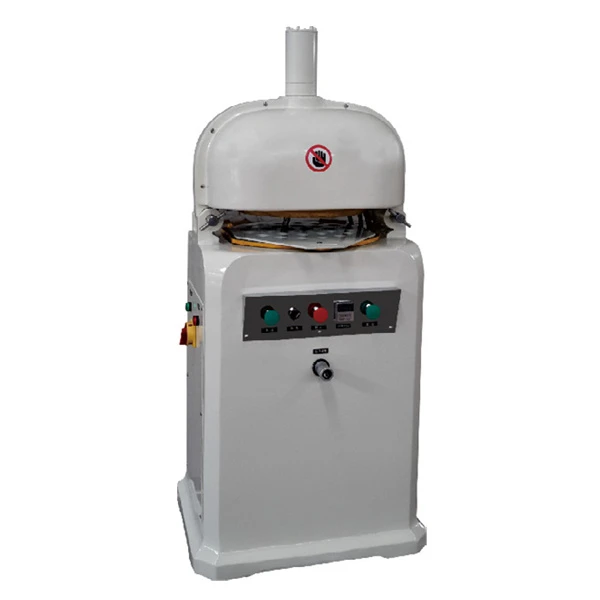
The noise levels of different forming equipment can vary significantly depending on the type of machine, the drive system, and the operating conditions. As a supplier of forming equipment, it is important to understand the noise characteristics of our products and provide our customers with information on how to manage noise in the workplace.
Oven By implementing engineering controls, providing personal protective equipment, and training workers on noise awareness, we can help our customers create a safer and more comfortable working environment. If you have any questions about the noise levels of our forming equipment or need assistance with noise management, please do not hesitate to contact us. We are dedicated to providing our customers with high-quality equipment and excellent support.
References
- American National Standards Institute (ANSI). (2017). Safety Requirements for Mechanical Power Presses. ANSI B11.1-2017.
- Occupational Safety and Health Administration (OSHA). (2019). Occupational Noise Exposure. 29 CFR 1910.95.
- International Organization for Standardization (ISO). (2010). Acoustics – Measurement of Noise Emitted by Machinery and Equipment – Guidelines for the Use of Basic Standards. ISO 11200:2010.
Guangdong Pinchain Machinery Co., Ltd.
As one of the most professional forming equipment manufacturers and suppliers in China, we have world-leading production equipment and strong manufacturing capabilities. Please feel free to wholesale advanced forming equipment made in China here from our factory.
Address: Room 302, Building 9, CIMC High tech Intelligent Manufacturing Center, No.3 Chanxing 1st Road, Xianyong Village, Chencun Town, Shunde District, Foshan City, Guangdong Province
E-mail: kowa@bakingmachinery.com
WebSite: https://www.bakingsmachinery.com/
