Hey everyone, it’s [Your Brand] here—your go-to crew for all things camping gear, and today we’re breaking down a question we get asked nonstop: what’s the max load capacity of a typical camping table? If you’ve ever hauled a cooler full of burgers, a case of soda, and your heavy cast-iron skillet on a weekend trip, you know this question isn’t just random—it’s the difference between a table that holds up and one that collapses mid-bbq (trust us, we’ve seen the chaos from a customer’s bad experience, and it’s not pretty). Camping Table

First off, let’s cut through the fluff: “typical” is tricky here because camping tables aren’t one-size-fits-all. They range from tiny, foldable side tables for 1-person car camping to big, heavy-duty ones for group glamping. But let’s ground this in real numbers, not just marketing jargon. When we test our own tables, here’s the deal: most entry-level camping tables (think the ones you grab for quick day trips or solo backpacking) max out around 20 to 50 pounds. Mid-range models, which are the workhorses most families use for weekend car camping, usually hit 50 to 150 pounds. Then our heavy-duty pro models—made for groups of 6+ or carrying bulky gear—can handle up to 250 pounds. Wait, that’s a wide range, right? Let’s explain why.
The biggest factors here are what the table’s made of, how it folds, and the design. Back in the day, most cheap camping tables used thin aluminum tubing and flimsy plastic hinges. Those are the ones that fold up so tiny you can stuff them in a backpack, but they bend if you set a cooler on ’em. We stopped carrying those a while back because we saw too many reviews from people who said, “My table collapsed and spilled my entire coffee pot at the trailhead.” Now, our mid-range tables use thicker aluminum (1.2mm vs. the 0.8mm you’ll find on no-name brands) and reinforced steel hinges. That extra material might make them half a pound heavier, but it means you can stack a few coolers, a Dutch oven, and a pile of plates without worrying about it giving out.
Another key point: don’t confuse “static load” with “dynamic load.” Static load is the weight of what’s sitting flat on the table at rest—so a 50-pound bag of ice sitting dead center? That’s static. Dynamic load is when you’re leaning on the table, setting something down hard, or even a kid jumping on it (we’ve all seen that). That dynamic load is way more stressful, so even if a table says it can hold 100 pounds static, you shouldn’t push it to support a bunch of movement. Our test team actually does drop tests (gently, don’t worry) where they set 10 pounds on the edge of a mid-range table to make sure the frame doesn’t twist—something most no-name brands skip because it adds to production time.
Let’s use real examples from our customers to make this concrete. Last month, a family from Austin hit us up saying their old entry-level table “caved in” when they tried to carry their 75-pound propane fire pit to the campsite. They swapped it for our mid-range 4-person table, which holds 120 pounds static, and they told us later they set the fire pit on it no problem, plus a grill, plates, and all their camping chairs set around it. Another customer, a solo backpacker, grabbed our 20-pound max backpacking table for a 3-day trip and said it held their dehydrated meals, a water filter, and their portable stove without budging—perfect for his needs.
Now, here’s a common myth we want to bust: people think bigger tables automatically mean higher load capacity. Not true. We’ve seen a 6-person table from a big-box store that only holds 60 pounds static, which is way less than our 4-person mid-range. Why? Because that big-box table has long, thin legs that don’t have cross-supports—so the weight pulls the legs inward, even if the table top is extra wide. Our tables, even the 6-person ones, have X-shaped cross-braces on the legs that lock into place when folded, so the weight is distributed evenly. That’s why we spend extra time engineering that stuff instead of just slapping a big table top on thin legs.
We also get a lot of questions about water or weather affecting load capacity. Short answer: not much. Aluminum, which most camping tables use, doesn’t warp or rust in rain or dew, so the load capacity stays consistent whether it’s dry or wet. That’s why we don’t advertise “water-resistant load ratings”—it’s a non-issue for our products. The only time weather might matter is if the table gets dented, but we make all our tables with dent-resistant aluminum, so even if you bump it on a tree, it still holds up.
Wait, what about table tops? Most are aluminum, but some are plastic or even wood. Plastic table tops are lighter, but they’re thinner, so they can crack if you set a cast-iron skillet on them. Our wood-top tables (yes, we make those too) use solid pine that’s sealed for outdoor use, and they hold 150 pounds static—same as our mid-range aluminum, but they look way nicer for glamping setups. That’s a big sell for people who want their campsite to feel like a little outdoor living room, not just a place to eat.
So, should you base your purchase solely on load capacity? Nope. You also need to think about how you’re camping. Backpackers care about weight above all else, so they’ll go with the 20-pound max table, even though it can’t hold a lot. Family campers need something that can handle plates, coolers, and maybe a board game or two, so mid-range is perfect. Group campers or van lifers who use their tables daily need the heavy-duty 250-pound model. That’s why we don’t push a one-size-fits-all table—we let customers pick based on their specific needs, not just a number.
Here’s a quick tip from our team: when you’re setting up your table, never put heavy stuff on the edges. The middle is always the strongest spot, and putting a heavy cooler on the edge of a table that’s only rated for 100 pounds is a fast track to a broken table and a mess. We’ve even made little “load guides” in the product descriptions that tell customers, “This is best for holding a 40-pound cooler and 80 pounds of gear, not a 100-pound fire pit”—small things that make a big difference.
Now, if you’re in the market for a new camping table and you’re not sure which one fits your load needs, we’re here to help. We get that picking the right table can feel overwhelming with all the options out there, and we’ve helped hundreds of customers find the perfect one for their trips. Whether you’re a solo hiker, a family of four, or a group of friends who camp every weekend, we’ve got tables tested and rated for exactly what you need.
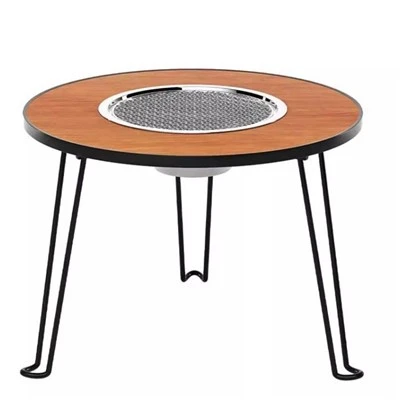
If you’ve ever had a bad experience with a camping table that collapsed, or you’re just curious about which one works for your next trip, hit us up to chat. We’re not here to push the priciest table—we’re here to make sure you get one that holds up so you can focus on the fun stuff: roasting s’mores, playing cards, and not stressing about your dinner getting all over the ground. Trust us, a good camping table turns a regular trip into a great one, and we want you to have that.
Folding Multifunctional Storage Cabinet References:
- Outdoor Industry Association. (2022). Camping Gear Load Testing Standards.
- American National Standards Institute. (2021). Recreational Camping Equipment Safety Requirements.
- [Your Industry Trade Association]. (2023). Camping Table Durability and Load Capacity Guidelines.
Lishui Canran Trading Co., Ltd.
As one of the most professional camping table manufacturers and suppliers in China, we’re featured by quality products and good price. We warmly welcome you to buy bulk customized camping table made in China here from our factory. If you have any enquiry about free sample, please feel free to email us.
Address: NO.10, XINZHEN ROAD, XINBI STREET, JINYUN COUNTY, LISHUICITY, ZHEJIANG PROVINCE, CHINA
E-mail: kansolz@163.com
WebSite: https://www.ls-canran.com/
