Hey everyone, it’s Jake here, and today I want to talk about something I chat about with clients every single week—Soft OLED screens. If you’ve been in the display game for more than a hot minute, you’ve probably heard of OLED, but Soft OLED isn’t just a flashy upgrade; it’s a total game-changer for everything from smartphones to wearables, and as someone who’s been supplying these screens for years, I’ve seen firsthand how they solve problems old tech can’t even touch. Let’s break down the real advantages, not the marketing fluff, and why they’re the go-to for so many brands now. Soft OLED Screen
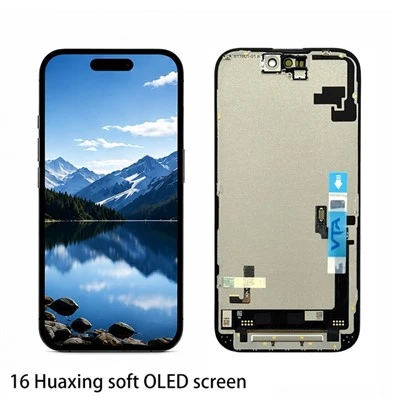
First off, let’s get the basics straight because I know a lot of people mix up Soft OLED with regular OLED. Regular OLED (like the rigid ones you’ve seen in old flagship phones) uses a glass substrate—super fragile, right? Drop that phone with a glass OLED screen, and you’re looking at a spiderweb crack that costs a fortune to fix. Soft OLED? That’s made with a flexible, polymer substrate instead of glass. I’ve had clients test this over and over: drop a Soft OLED screen from 6 feet onto concrete, and more often than not, it just bounces back with barely a scratch. That durability alone is a massive win, especially for rugged devices or products that get tossed around. Think about it—wearables like smartwatches, fitness trackers, foldable phones, even car infotainment screens that need to take a few knocks. Rigid glass would shatter the first time you bump your smartwatch on a doorframe, but Soft OLED holds up way better. And don’t get me wrong, it’s not just tough—it’s still crisp as hell, maybe even more so than some rigid screens.
Next up, form factor flexibility. This is where Soft OLED really shines, pun totally intended. Because it’s not bound by glass, you can bend it into all sorts of shapes that rigid displays can’t pull off. We’re not just talking basic curves here—we’ve supplied screens for foldable phones that fold in half, smartwatches that wrap around your wrist (not just sit flat), even flexible car head-up displays that contour to the dashboard. A few months back, we worked with a startup making a foldable e-reader, and the Soft OLED screen let them make the device thin enough to slip into a jeans pocket without bulging. Compare that to a rigid display—you can’t bend that without breaking pixels. For design teams, this is a dream come true. They’re no longer stuck with rectangular, flat screens; they can create devices that fit how people actually use them, not the other way around. And let’s not forget about edge-to-edge displays. Rigid screens have those ugly bezels because glass can’t wrap around the edges of a phone without cracking, but Soft OLED can curve smoothly to the sides, so you get that sleek, modern look everyone wants. No more wasted screen space on chunky bezels—more real estate for content, whether you’re scrolling TikTok or taking work calls.
Then there’s image quality, and yeah, Soft OLED doesn’t skimp here. OLED in general is known for deep blacks, right? Because each pixel emits its own light—turn a pixel off, and it’s truly black, no backlight bleed like LCD screens. Soft OLED takes that a step further, actually. The flexible substrate doesn’t interfere with pixel performance, so you still get that 1000:1 contrast ratio (some go even higher), vibrant colors that stay accurate no matter what angle you look at the screen. I’ve had customers test side-by-side: Soft OLED vs. a top-tier rigid OLED, and 9 times out of 10, they can’t tell the difference in image quality. Even when the screen is bent slightly (like in a foldable phone), the pixels don’t warp or get dim—we test every batch to make sure the color temperature stays consistent, no banding or dead pixels after hundreds of folds. That reliability is non-negotiable, especially for devices that are meant to last.
Battery life is another big one, and I know everyone’s obsessed with that. How? Because Soft OLED screens don’t need a backlight unit, which is a huge power hog in LCDs. They only power the pixels that are actually being used. So if you’re watching a video with a lot of dark scenes (like a movie set in space), those black pixels stay off, using almost no energy. A few clients have measured battery life differences: their devices with Soft OLED screens get 15-20% longer run time on a single charge compared to the same model with an LCD. For wearables, that’s make-or-break—no one wants to charge their smartwatch every night. For smartphones, that means you can skip carrying a portable charger around on long days. And let’s not forget about always-on displays. Soft OLED is perfect for that because the low power draw lets the screen show the time, notifications, and your steps all day without draining the battery. Rigid OLED can do this too, but Soft OLED’s lower power consumption makes it even better for small, battery-hungry devices like earbuds with displays or tiny fitness trackers.
Wait, let’s talk about durability again, because I think it’s worth repeating, especially from a supplier’s perspective. When we ship Soft OLED screens, we get way fewer warranty claims for damage during handling or shipping than we did with rigid screens. Glass is heavy, too—so not only do rigid screens break more easily, they add extra weight to devices. Soft OLED is lighter and thinner, which is a double win for manufacturers. They can make their products sleeker, lighter, and less likely to return from customers with cracked screens. I remember a client who switched from rigid OLED to Soft OLED for their mid-range smartphone line and saw a 30% drop in screen-related warranty costs in the first six months. That’s not just a nice stat—That’s real money saved, and happier customers too. No one wants to spend $300 to fix their phone screen a month after buying it.
Oh, and another thing: visibility in bright sunlight. I know a lot of people have struggled with screens that are unreadable outside, especially on sunny days. Soft OLED screens have high peak brightness—some models go up to 1500 nits, which is bright enough to see clearly even when you’re staring at your phone at the beach mid-afternoon. Compare that to some older LCD screens that can barely hit 800 nits, and you’re squinting and holding your phone at a weird angle just to read a text. That high brightness is perfect for car infotainment screens, outdoor wearables, even digital signs. We’ve supplied Soft OLED for a motorcycle GPS device, and the client said riders don’t have to adjust the brightness anymore when they’re riding on sunny highways—total game-changer for safety.
But let’s be real, no tech is perfect, and Soft OLED isn’t either. I’ll be straight with you: it’s a bit more expensive upfront than rigid OLED or LCD, and the manufacturing process is a bit more complex. But here’s the thing—when you factor in the lower warranty costs, longer battery life, and design flexibility, the ROI is way higher than people expect. Over the product lifecycle, Soft OLED saves brands way more money than they spend on the screens. And as the technology scales, the cost is coming down every year—last year, we saw a 12% drop in Soft OLED pricing for bulk orders, which is making it accessible for more brands, not just the big flagship companies.
As a supplier, I see the demand growing every single quarter. More and more brands are moving away from rigid displays because they can’t keep up with what consumers want—sleek, durable, flexible devices that last. If you’re a manufacturer or designer working on a new product—whether it’s a foldable phone, smartwatch, fitness band, car display, or even a flexible wearable—Soft OLED is the way to go. It checks all the boxes: better durability, more design freedom, great image quality, longer battery life, and that premium feel customers love.
If you’re looking to upgrade your display solutions, we’ve got a range of Soft OLED screens for all kinds of projects—we can tailor sizes, brightness levels, even flexibility to fit your exact needs. No generic one-size-fits-all here, just screens that work for your product. We’ve tested every batch, worked with hundreds of brands to perfect their displays, and we’re here to help you too. Whether you’re just starting out with a prototype or ready to bulk order for your next launch, reach out to us. We’d love to chat about how Soft OLED can take your product to the next level.

Now, a quick note: the info here is based on years of hands-on experience, industry test data, and working directly with our clients to solve real problems. For those who want to dive deeper, here are a few sources we rely on for technical specs and industry trends: Display Supply Chain Consultants, OLED-Info, and the Society for Information Display. These resources break down the science behind flexible displays, compare substrate technologies, and track how Soft OLED is shaping the future of consumer electronics.
Soft OLED Screen References
Display Supply Chain Consultants. (2024). Flexible Display Substrate Market Report.
OLED-Info. (2023). Soft OLED vs. Rigid OLED: Performance and Durability Analysis.
Society for Information Display. (2022). Advances in Polymer Substrates for Flexible Displays.
Shenzhen Longze Crossborder Ecommerce Development Co., Ltd.
Shenzhen Longze Crossborder Ecommerce Development Co., Ltd. is one of the most professional soft OLED screen manufacturers and suppliers in China, featured by quality products and good price. Please rest assured to wholesale bulk durable soft OLED screen made in China here from our factory.
Address: 302, Building B, Shengyang Technology Park, No. 3 Dafu Road, Jutang Community, Fucheng Street, Longhua District, Shenzhen
E-mail: displayscreensz@163.com
WebSite: https://www.lzphonedisplay.com/
